
Why Solar Array Angle Matters
Solar panels produce power based on how much sunlight reaches them. This depends on a few key things, including the position of the sun, the season, the location of the site, and the angle of the solar panels.
In southern Australia, the sun sits lower in the sky during winter. Flat solar panels can still work, but they receive less direct sunlight at this time of year. By tilting the panels toward the north, the system can capture more sunlight during winter when daylight hours are shorter.
For off-grid and hybrid power systems, winter performance is very important. Remote sites often need reliable power for lighting, communications equipment, pumps, accommodation units, and other site operations. During winter, shorter days and reduced sunlight can put more strain on batteries and backup generators.
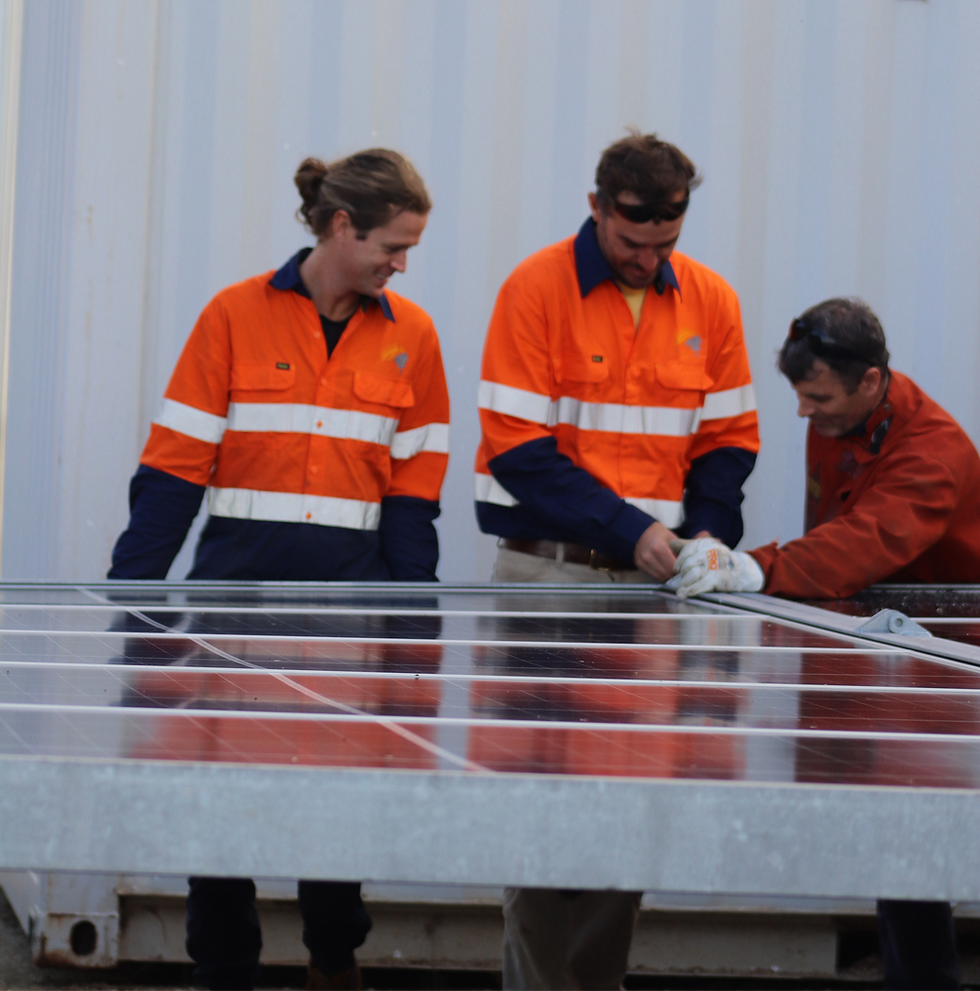
The FPS20-10 Hybrid Power System has been designed to handle these conditions. Its folding roof-mounted solar array is a key part of the system’s power generation. The standard setup includes a 10kW solar array positioned at an angle that helps improve winter solar production. The system can also be expanded to 20kW with additional quick-deploy solar panels. This setup helps increase solar energy capture while keeping the unit compact, transportable, and fast to deploy.

The FPS20-10 combines solar power with up to 50kWh of usable LiFePO4 battery storage and an automatic backup generator. During the day, solar energy charges the batteries and powers site loads. When sunlight is low, the batteries continue supplying power, and the generator can automatically provide backup if needed. This creates a reliable hybrid power solution for remote and temporary sites.

The angle of a solar array can make a big difference to system performance. Improved winter solar capture can reduce generator runtime, lower fuel use, and improve overall on-site energy reliability. The FPS20-10 has been designed with this in mind, delivering a system that is easy to transport, quick to deploy, and built to maximise solar performance when it is needed most.



Comments